MAD


97D98D5A-CF96-4006-8D70-262D3BDCC1A8

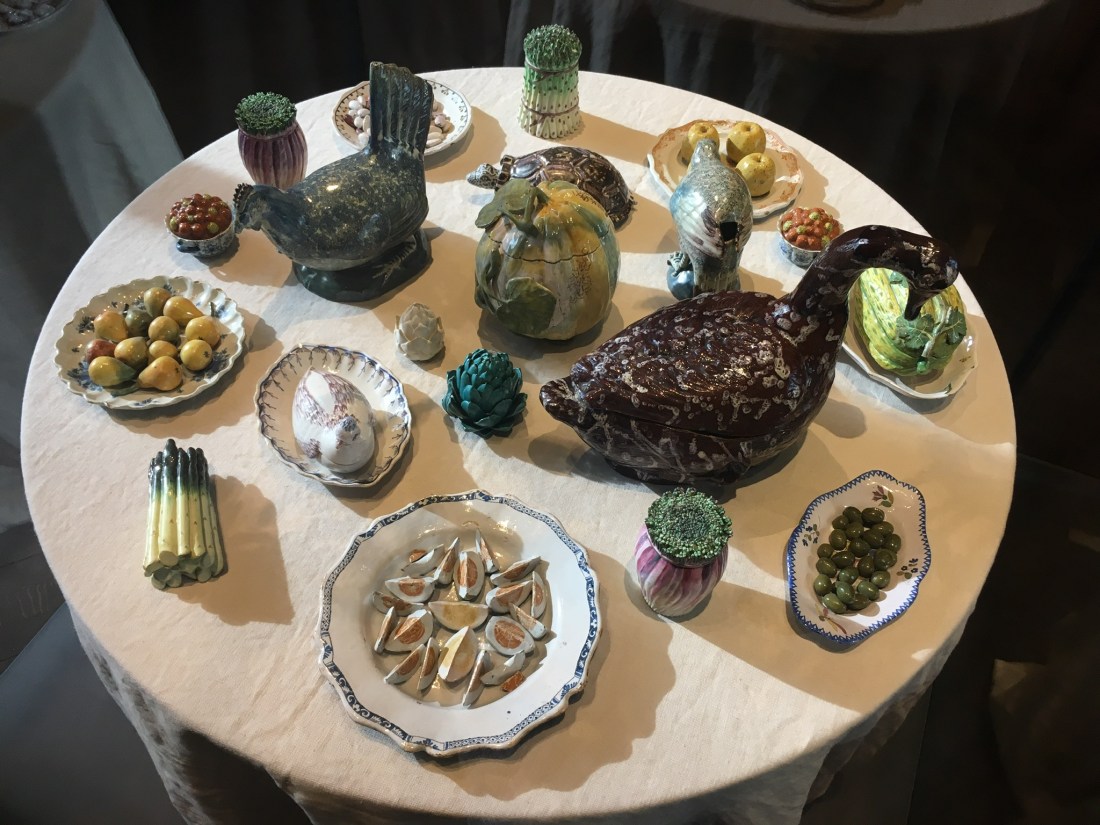
In een 18de eeuwse donker houten paneelkamer, zo een als er nu -leeg- ook in het Rijksmuseum te zien is, staat deze feestelijke tafel opgesteld.

In een reeks voorbeeldige opstellingen toont het net heropende Musée d’Arts Décoratifs (MAD) in een vleugel van het Louvre de geschiedenis van (vooral) Franse vormgeving op alle terreinen. Van een slaapkamer uit de Middeleeuwen tot de Mondriaan jurk van Yves Saint Laurent.

In a series of exemplary exhibits, the newly reopened Musée d’Arts Décoratifs (MAD) in a wing of the Louvre shows the history of (mostly) French design in all areas. From a bedroom from the Middle Ages to the Mondriaan dress by Yves Saint Laurent.


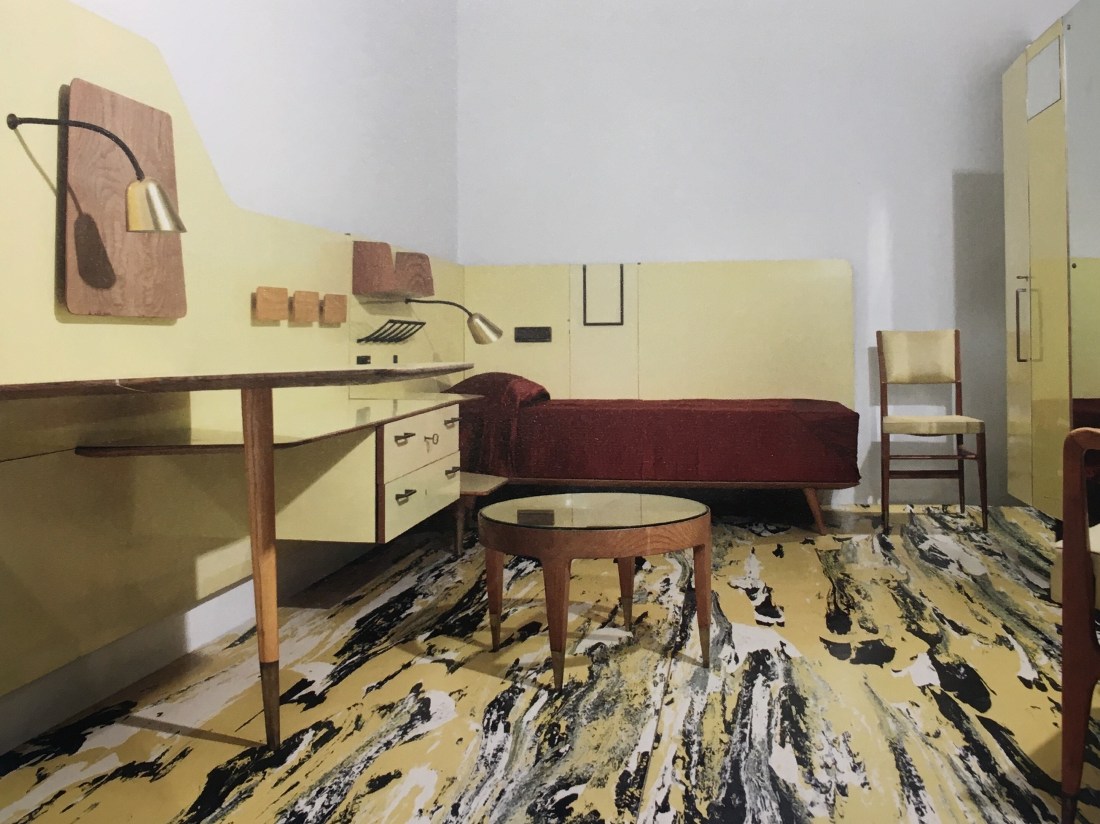
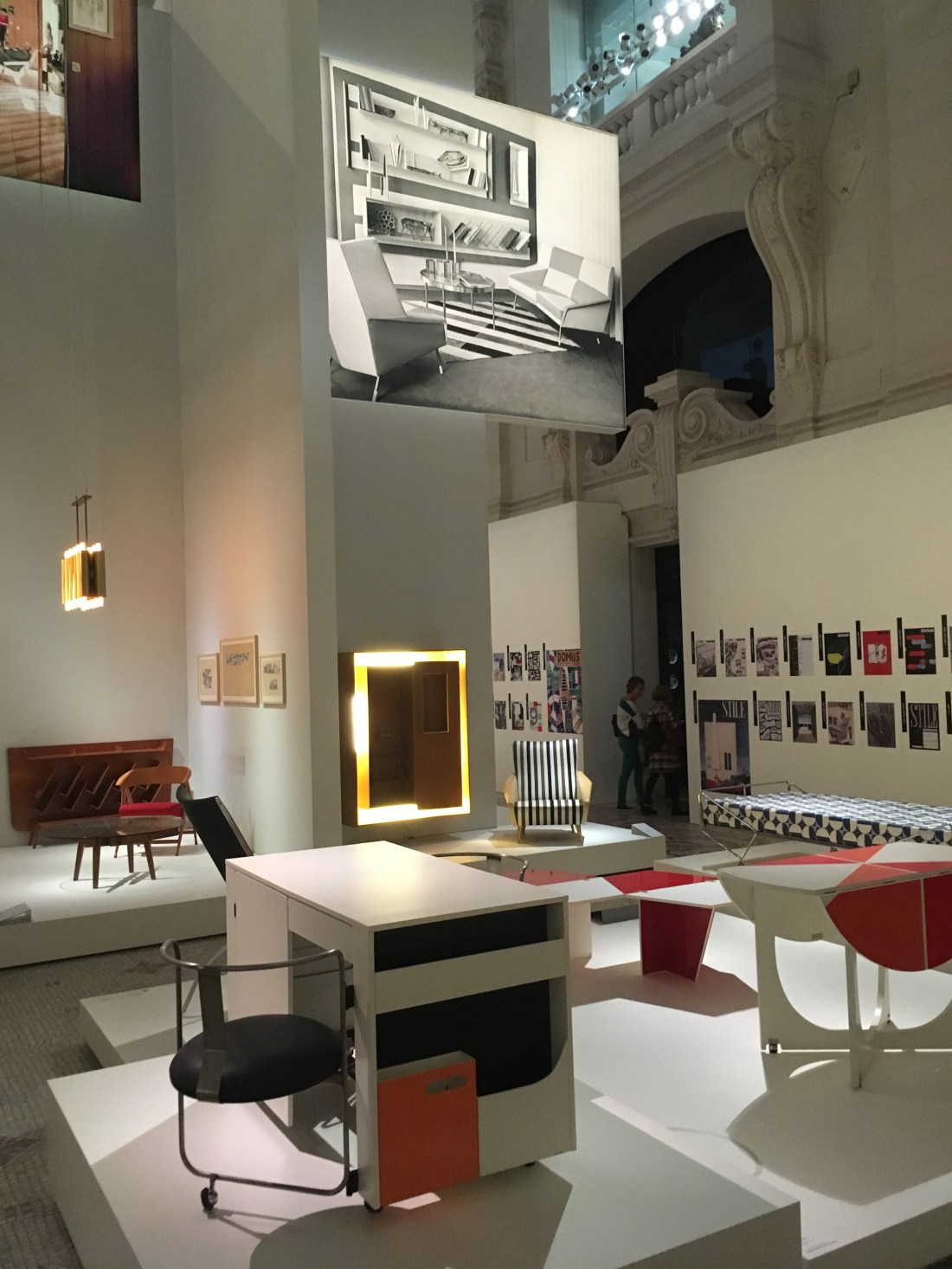
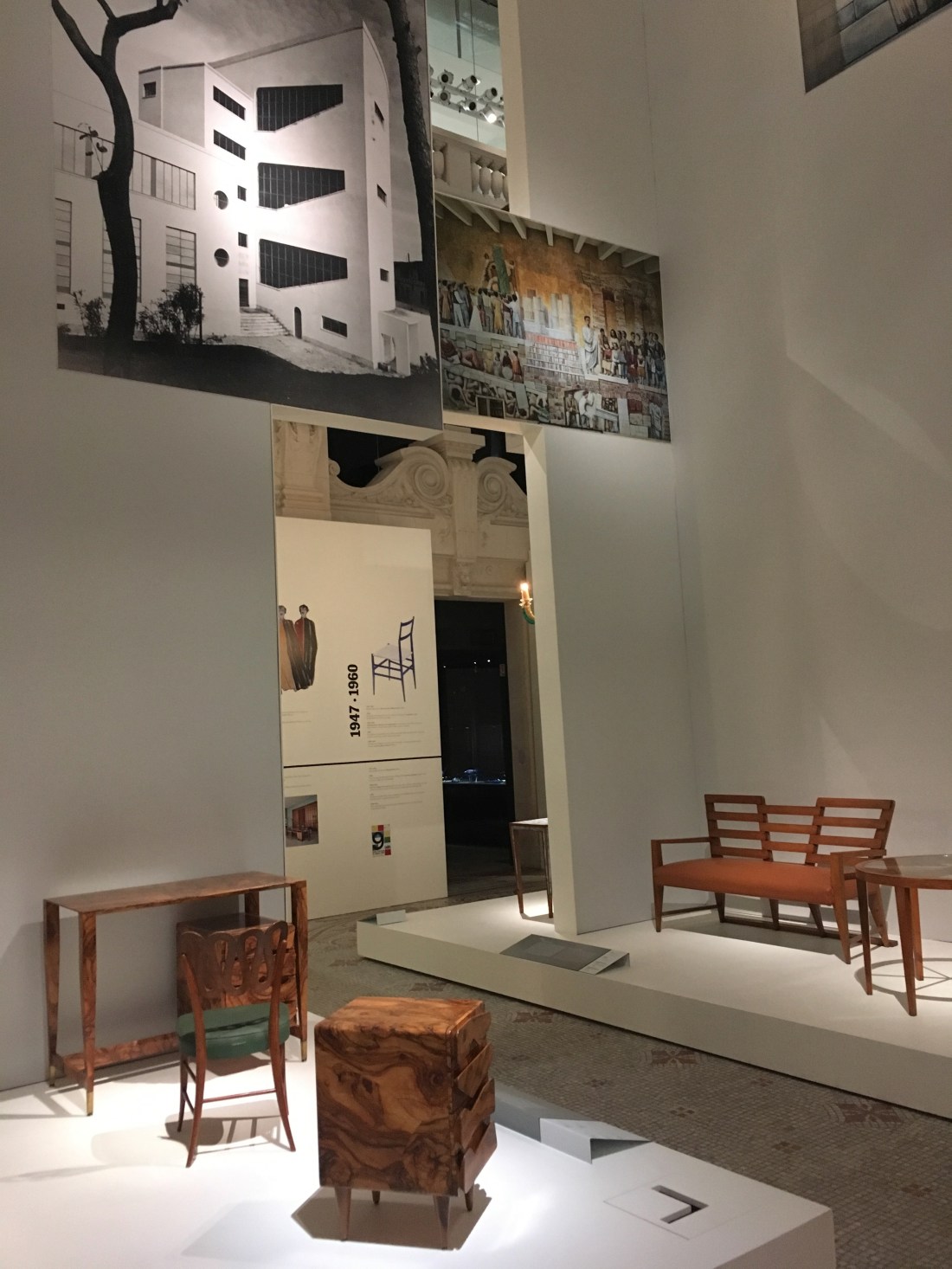
En in de hoge hal is nu een tentoonstelling gebouwd met het alle disciplines beslaande oeuvre van de Italiaanse ontwerper Gio Ponti (1891-1979). Ik kende hem alleen van de Pirelli toren in Milaan, en van zo’n ranke eetkamerstoel, maar hij ontwierp espresso-machines, gordijnen, een kathedraal, behang, keramiek, klokken, fresco’s, universiteiten, bestek, hotels en bedacht in 1928 het vormgevings-magazine DOMUS, dat nog steeds bestaat.

And now an exhibition has been built in the high hall with the all disciplines of the Italian designer Gio Ponti (1891-1979). I only knew him from the Pirelli tower in Milan, and from such a slender dining room chair, but he designed espresso machines, curtains, a cathedral, wallpaper, ceramics, clocks, frescoes, universities, cutlery, hotels and invented in 1928 the design -magazine DOMUS, which still exists.
 

IMG_7813

IMG_7814


Hier wil ik wel eens naar toe: het Hotel Parco dei Principi (1960) in Sorrento, waar alles is uitgevoerd in de kleuren blauw en wit en elke kamervloer voorzien is van een ander tegelpatroon. Ongelooflijk fris, helder en optimistisch.

Here I want to go: the Hotel Parco dei Principi (1960) in Sorrento, where everything is done in the colors blue and white and each room floor is decorated with a different tile pattern.
Incredibly fresh, clear and optimistic.


IMG_8090

IMG_7799


IMG_7795


Netsuke


IMG_8029


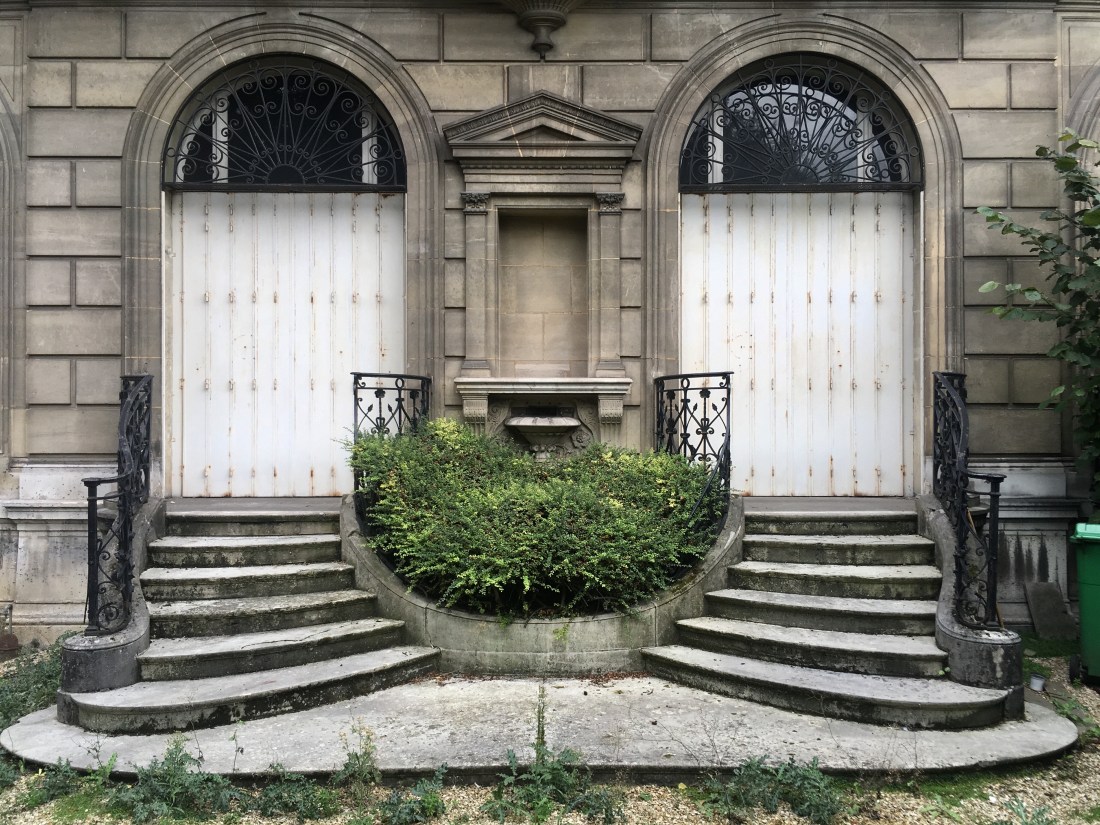
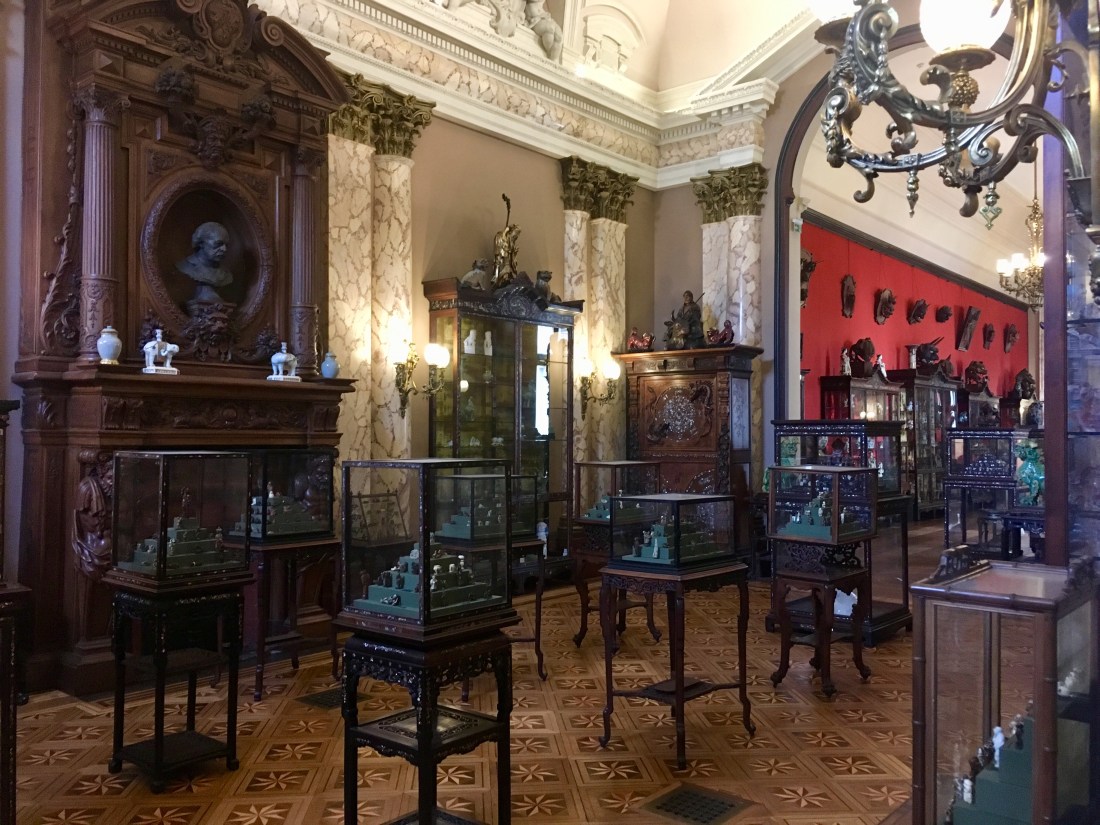
Achter de doorgaans gesloten luiken van dit huis, 59 Avenue Foch, schuin tegenover het appartement van Maria Callas, is een bijzonder museum gevestigd.
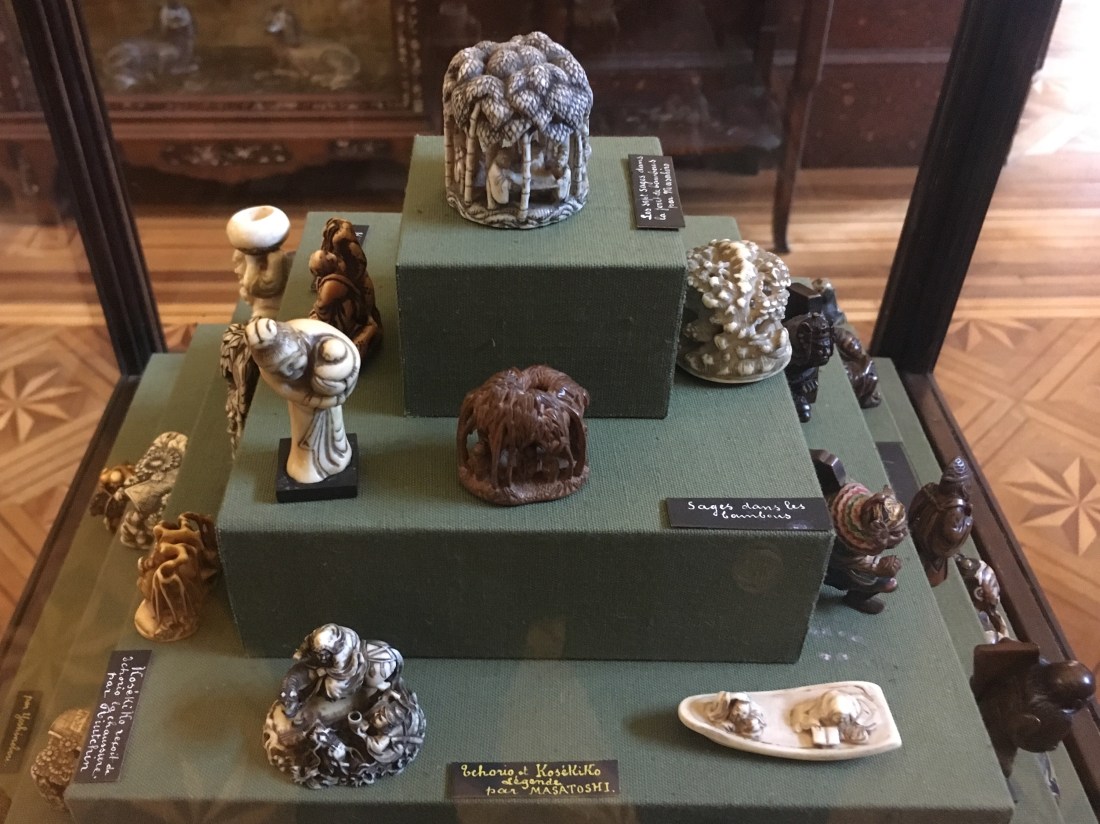
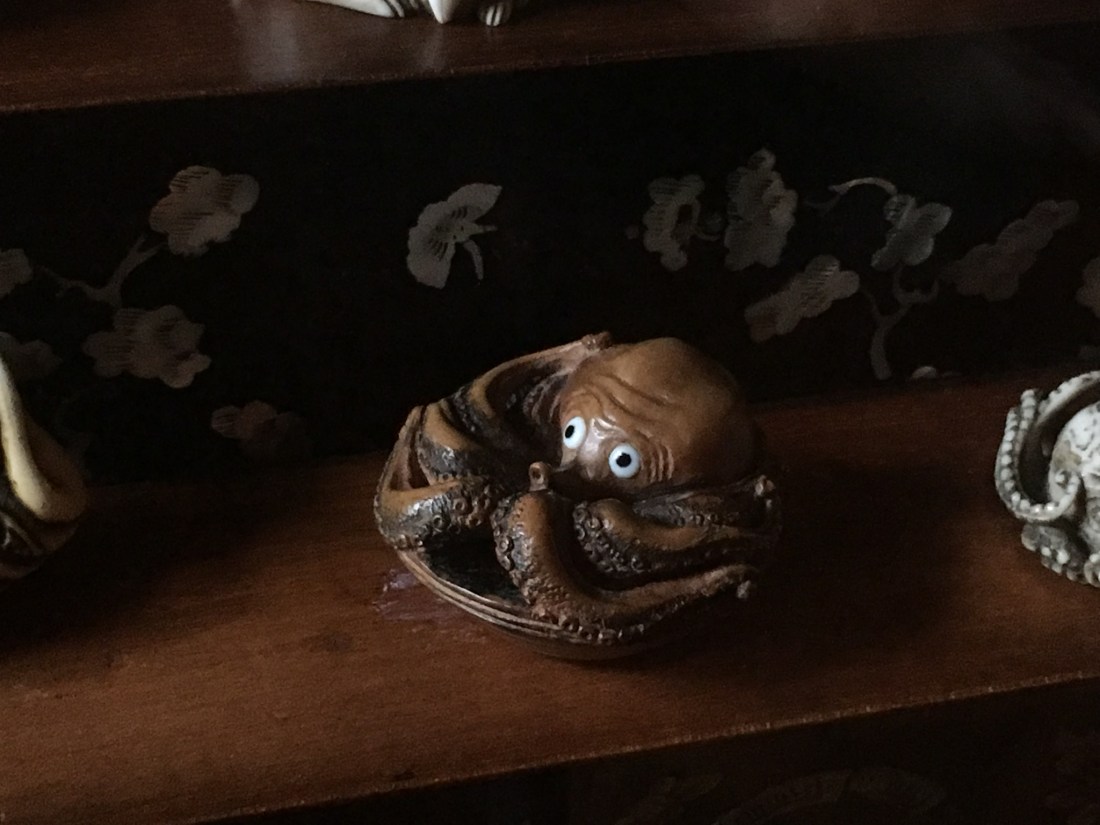
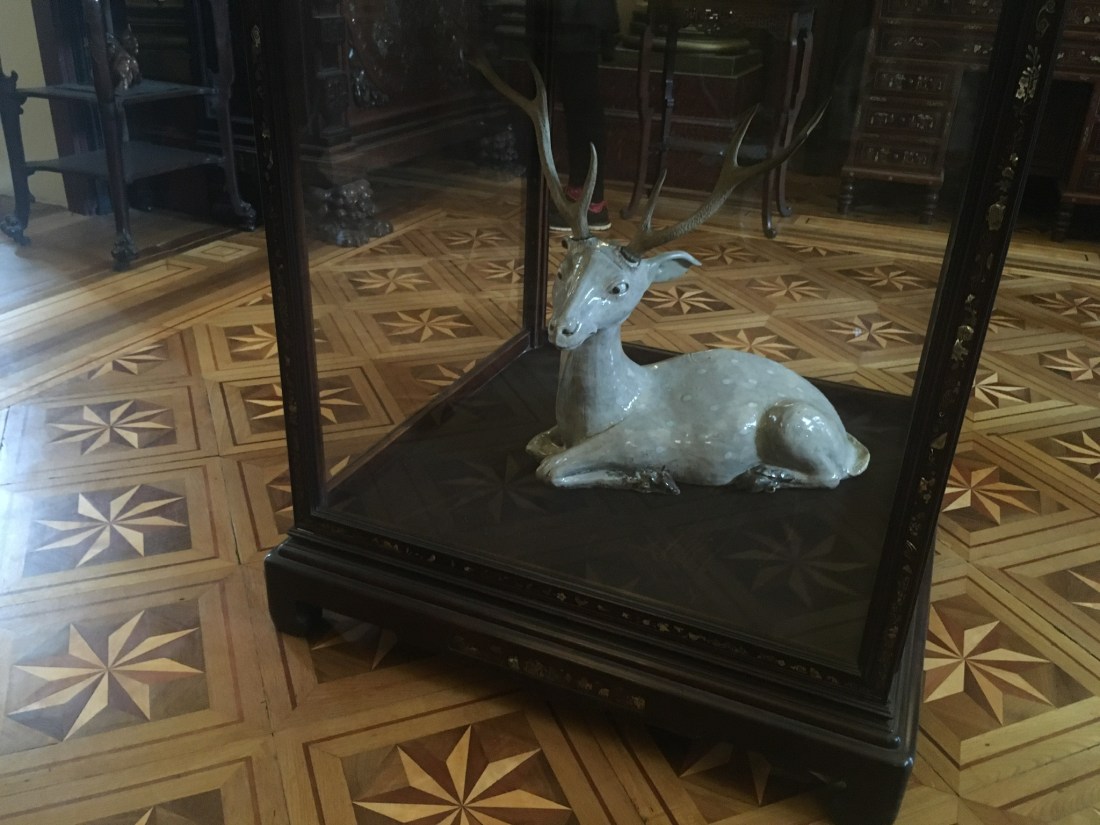
In de tweede helft van de negentiende eeuw -Japan is nog maar net opengesteld- verzamelde het echtpaar Clémence en Adolphe d’Ennery objecten uit China en Japan en liet in 1875 dit huis bouwen om die verzameling onder te brengen. Een huis op maat en ongewijzigd sinds 1892, toen besloten werd het in zijn geheel na te laten aan de staat en toen al open te stellen voor het publiek. Een beetje donker en stoffig;  een duizelig makende collectie van duizenden voorwerpen uit het Verre Oosten in speciaal vervaardigde vitrines en kasten. De meeste zijn gevuld met meer dan 300 netsuke’s, het Japanse kleinood dat als knoop diende voor het koord om de kimono waaraan een klein tasje hing – een kimono heeft geen zakken.

In The hare with amber eyes, van Edmund de Waal, beschrijft hij zijn familiegeschiedenis aan de hand van de 294 netsuke’s die hij erfde, en die in diezelfde periode verzameld werd door zijn oud oom Charles Ephrussi, ook woonachtig in Parijs. Ik vroeg me meteen af hoe dat toen gegaan is, het nog schaarse goed en die fanatieke verzamelaars.

Beide zijn dus nog intact, éen collectie na omzwervingen in Londen en de ander op de plek waar het bijeenkwam, door ons te bezoeken op zaterdagmorgen tussen 11.30 en12.30 na aanmelding via dit mailadres: resa@guimet.fr


4CFBA807-AC74-43CB-9674-91C40788FF2D


Behind the closed shutters of this house, 59 Avenue Foch, diagonally opposite the apartment of Maria Callas, a special museum is located.
In the second half of the nineteenth century -Japan was only just opened- Clémence and Adolphe d’Ennery collected objects from China and Japan and had this house built in 1875 to accommodate this collection.
A house tailor-made and unchanged since 1892, when it was decided to leave it in its entirety to the state and then open it to the public. A bit dark and dusty; a dizzying collection of thousands of objects from the Far East in specially made showcases and cabinets. Most are filled with more than 300 netsuke’s, the Japanese gem that served as a knot for the cord around the kimono on which a small bag hung – a kimono has no pockets.

In The hare with amber eyes, by Edmund de Waal, he describes his family history on the basis of the 294 netsuke’s that he inherited, and which was collected in the same period by his former uncle Charles Ephrussi, also living in Paris. I immediately wondered how that went then, the scarce good and those fanatical collectors.

Both are still intact, one collection in London and the other at the place where it came together, to be visited by us on Saturday mornings between 11.30 and 12.30 after registration via this address: resa@guimet.fr


AC7E5039-A38F-42E3-8F5D-CBDB5BB15047

4FAE82B7-FE1E-4FCF-8873-49F672266938

33CDBD88-6065-421D-BD79-8A5DF7A569D7


De retour à Paris


D7C21967-FE78-435D-8DFE-DEDB3790AE7B

C3C0F964-C964-40D9-98B1-81A3EAA60A0A


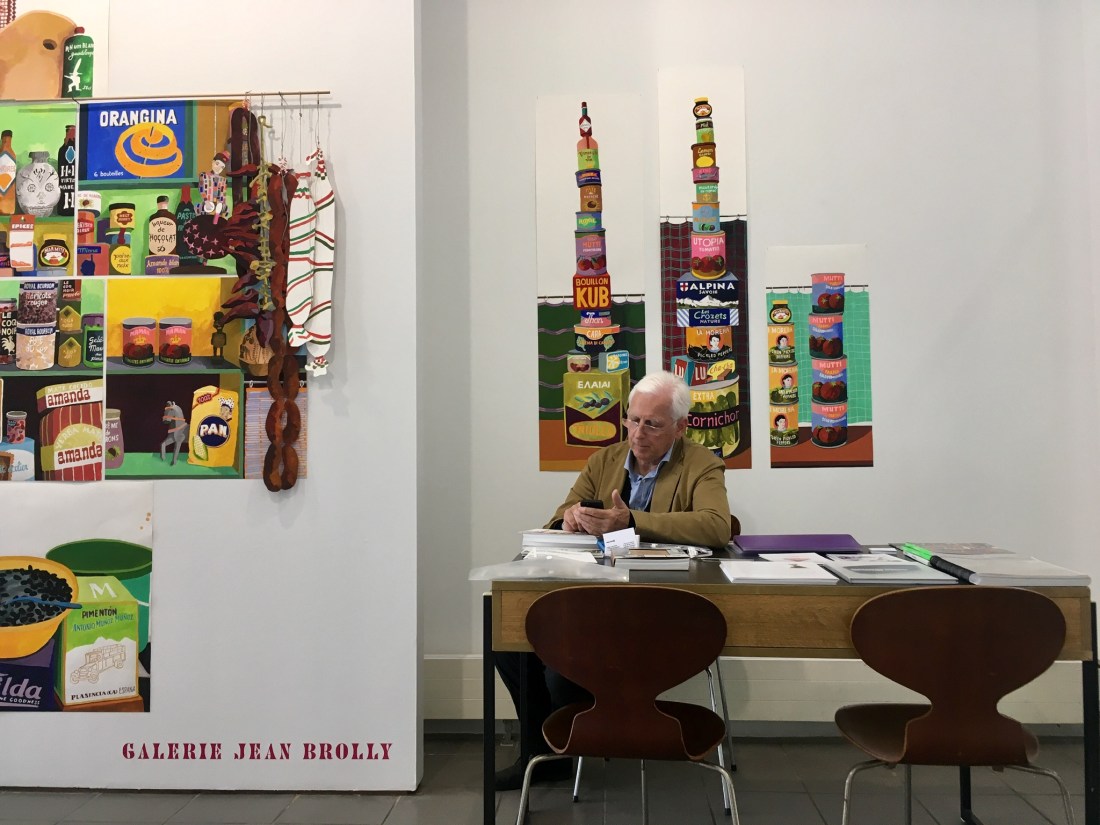
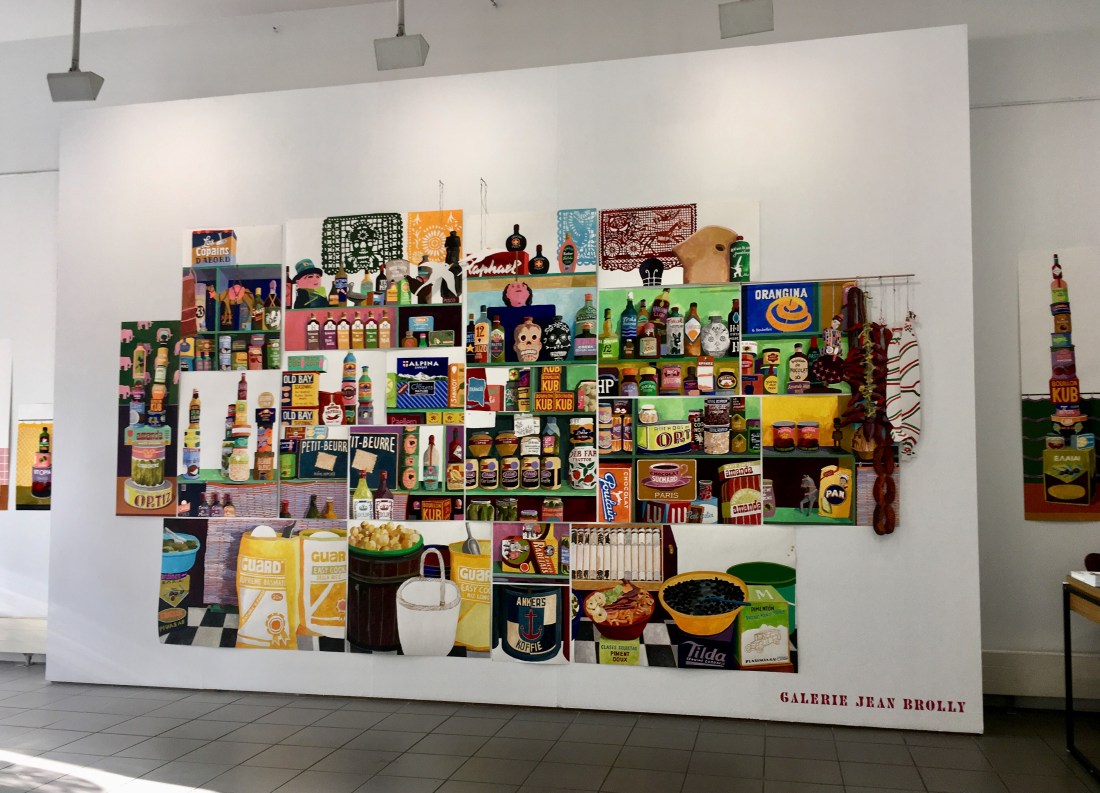
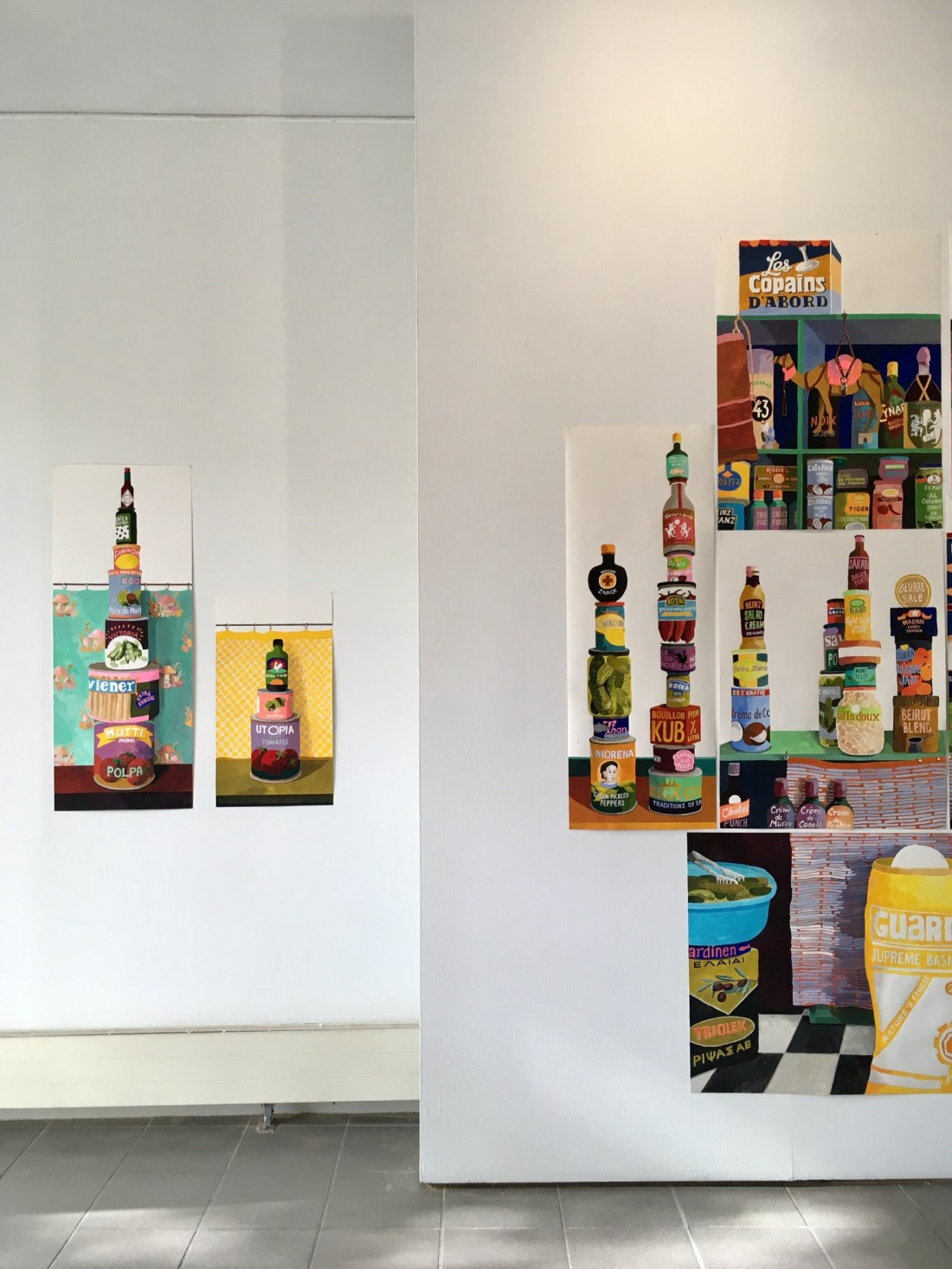
‘La boucle est bouclée’, de cirkel is rond. Galerie Jean Brolly toonde het eerste grote werk dat ik in Parijs maakte, Lépicerie du monde, op de nieuwe beurs Bienvenue. Het hing -net als het werk in Amsterdam in de Westergasfabriek- op een ruime, centrale plek meteen bij binnenkomst.

‘La boucle est bouclée’, the circle is round. Galerie Jean Brolly showed the first major work I made in Paris, L’épicerie du monde, at the new Bienvenue artfair.
It hung – just like the work in Amsterdam in the Westergasfabriek – in a spacious, central location immediately upon entry.


Ik heb in de twee weken die ik in Parijs verbleef weer zoveel fantastische tentoonstellingen gezien dat ik besloot mijn blog nog maar even te continueren. Om het een beetje te delen. Van oplossingen voor het sokkelprobleem tot wandtapijten over de Brexit, van een zorgvuldig gereconstrueerd appartement uit Marseille tot de eerste outsider artist uit de zeventiende eeuw.

Binnenkort!


I have seen so many fantastic exhibitions in the two weeks that I stayed in Paris that I decided to continue my blog for a while. To share it a bit. From solutions to the pedestal problem to tapestries about the Brexit, from a carefully reconstructed Marseille apartment to the first outsider artist of the seventeenth century.

Soon!


72C241CC-CDDE-45A7-86D1-011288F68FCD